 admin
admin If you’ve ever grown aloe vera—whether indoors on a sunny windowsill or outdoors in a warm garden—you know it’s usually a tough, low-fuss plant. But even this hardy succulent isn’t immune to pests and diseases. Nothing is more frustrating than noticing brown spots on its plump leaves, tiny bugs crawling in the leaf crevices, or mushy stems that signal trouble. The good news? Most aloe vera pests and diseases are preventable with the right care, and even if issues pop up, they’re often treatable if caught early.
In this guide, we’ll break down everything you need to know about aloe vera pest and disease control. We’ll start with how to spot common problems (since early detection is key), then move to practical prevention tips that fit into your regular aloe care routine. Finally, we’ll cover step-by-step treatments for the most frequent issues, so you can get your plant back to its healthy, gel-producing best. Whether you’re a new aloe parent or have been growing these plants for years, this guide will help you keep pests and diseases at bay.
First: Know the Difference Between Pests and Diseases
Before we dive in, it’s helpful to tell apart pests (tiny creatures that feed on your aloe) and diseases (usually caused by fungi, bacteria, or overwatering). Pests often leave visible signs—like webbing, sticky residue, or small holes in leaves—while diseases tend to show up as discoloration (yellow, brown, or black spots), mushy tissue, or unusual growths. This distinction matters because treatments vary: pests need insecticides or physical removal, while diseases often require adjusting watering habits or using fungicides. Let’s start with the most common pests that target aloe vera.
Common Aloe Vera Pests: How to Identify, Prevent, and Treat Them
Aloe vera’s thick, fleshy leaves and juicy sap make it a target for a few specific pests. Most of these bugs thrive in the same conditions that stress aloe—like overwatered soil, poor air circulation, or dim light. Here’s how to handle each one.
1. Mealybugs: The Cottony Invaders
How to Identify Them: Mealybugs are small (about 1–3mm long), soft-bodied insects that look like tiny balls of white cotton. They cluster in warm, hidden spots: between aloe leaves, at the base of the plant, or along the stems. You might also notice a sticky, sweet substance called “honeydew” on the leaves—this is a byproduct of mealybugs feeding, and it can attract ants or grow black sooty mold (a secondary problem). If left untreated, mealybugs suck the sap from aloe leaves, causing them to turn yellow, wilt, or drop off.
How to Prevent Them: Prevention starts with keeping your aloe healthy (stressed plants are easier targets!). Make sure your aloe has well-draining soil and a pot with drainage holes—overwatered soil creates a damp environment mealybugs love. Avoid overcrowding your aloe with other plants (this reduces air circulation), and inspect any new plants before bringing them home—mealybugs often hitchhike on new additions. Every few weeks, wipe your aloe’s leaves with a damp cloth to remove dust and check for early signs of bugs.
How to Treat Them: If you spot mealybugs early, you can often get rid of them without harsh chemicals. Start by dipping a cotton swab in rubbing alcohol (isopropyl alcohol, 70%) and dabbing each bug individually—this kills them on contact. For larger infestations, mix 1 teaspoon of neem oil, 1 teaspoon of mild liquid dish soap (like Castile soap), and 1 quart (1 liter) of water in a spray bottle. Shake well, then spray the entire plant—focus on the undersides of leaves and leaf joints where mealybugs hide. Repeat this spray every 7–10 days for 2–3 weeks to kill any eggs that hatch later. If the infestation is severe (most of the plant is covered), you may need to prune heavily infested leaves and dispose of them (don’t put them in compost—this spreads bugs).
2. Scale Insects: The Hard, Brown Bumps
How to Identify Them: Scale insects look like small, hard bumps on aloe leaves and stems—they’re often brown, black, or tan, and they don’t move much (adult scales attach themselves to the plant and stay put). Like mealybugs, they suck sap from the plant, causing leaves to yellow, thin out, or die. You might also see honeydew or sooty mold on the leaves. Young scale insects (called “crawlers”) are smaller and lighter in color—they move around before settling down to feed.
How to Prevent Them: Similar to mealybugs, scale thrives in damp, stagnant conditions. Keep your aloe in bright light (this keeps the plant strong) and avoid overwatering. Inspect new plants carefully—scale can be hard to spot because they look like part of the plant. If you have other houseplants, keep them a few inches apart to prevent scale from spreading.
How to Treat Them: Adult scale has a hard outer shell that makes them resistant to sprays, so physical removal is key first. Use your fingernail or a soft-bristled brush (like a toothbrush) to scrape off the scales gently—be careful not to damage the aloe’s leaves. After scraping, wipe the leaves with a cloth dipped in neem oil or insecticidal soap to kill any remaining crawlers or eggs. For persistent infestations, use the same neem oil spray as for mealybugs (1 tsp neem oil + 1 tsp soap + 1 quart water) and spray every 7 days for 3 weeks. If scales are on the stems, you can also wrap a cotton ball soaked in rubbing alcohol around the stem for a few hours (avoid leaving it too long, as alcohol can dry out the plant).
3. Spider Mites: The Tiny Web-Spinning Pests
How to Identify Them: Spider mites are the smallest of aloe vera pests—they’re only about 0.5mm long, so you might need a magnifying glass to see them. They’re usually red, brown, or yellow, and they live on the undersides of leaves. The first sign of spider mites is often fine, silky webbing between leaves or on the undersides of leaves—this webbing protects them from predators. As they feed, they pierce aloe leaves and suck out sap, leaving tiny yellow or white spots (called “stippling”) on the leaves. Over time, leaves turn brown, dry out, and fall off.
How to Prevent Them: Spider mites love dry, dusty conditions—so keeping your aloe’s leaves clean and increasing humidity slightly can help. Mist the air around your aloe (not the leaves themselves, as too much moisture causes rot) once a week, or place a tray of water and pebbles near the plant (evaporating water boosts humidity). Dust your aloe’s leaves regularly with a damp cloth, and make sure the plant has good air circulation—use a small fan nearby if needed. Avoid placing your aloe near heating vents, which dry out the air.
How to Treat Them: Start by rinsing the plant thoroughly with a strong stream of lukewarm water—this knocks off most spider mites and their webbing. Be sure to rinse the undersides of leaves, where mites hide. After rinsing, let the plant dry completely (wet soil increases rot risk). Then, spray the plant with insecticidal soap or neem oil spray (same recipe as before). For spider mites, you may need to spray every 5–7 days for 3–4 weeks, since they reproduce quickly and eggs can survive sprays. If the infestation is bad, prune heavily damaged leaves and discard them. You can also use a miticide (a pesticide specifically for mites) if natural treatments don’t work—follow the label instructions carefully, and keep the plant away from pets and children.
4. Fungus Gnats: The Annoying Soil-Dwelling Pests
How to Identify Them: Fungus gnats are small, black flies (about 2–3mm long) that hover around your aloe’s soil or fly up when you water the plant. They don’t damage aloe leaves directly, but their larvae (tiny white worms) live in damp soil and feed on aloe roots. This root damage causes the plant to wilt, turn yellow, or grow slowly—even if you’re watering correctly. You might notice larvae in the top layer of soil if you look closely.
How to Prevent Them: Fungus gnats thrive in wet soil, so the best prevention is to let your aloe’s soil dry out completely between waterings (remember, aloe is a succulent— it hates soggy soil!). Use a well-draining succulent soil mix (add perlite or sand if needed) and a pot with drainage holes. Avoid overwatering, and don’t let water sit in the saucer under the pot. You can also cover the top of the soil with a 1/2-inch layer of gravel or sand—this prevents adult gnats from laying eggs in the soil.
How to Treat Them: To get rid of fungus gnats, start by letting the soil dry out as much as possible (without harming the aloe). This kills most of the larvae. For adult gnats, set up sticky traps (yellow sticky cards work best—gnats are attracted to yellow) near the plant—these catch flying adults and reduce the population. If larvae are still present, mix 1 part hydrogen peroxide (3%) with 4 parts water and water the soil with this solution—hydrogen peroxide kills larvae without harming aloe roots. Repeat this once a week for 2 weeks. You can also use beneficial nematodes (tiny worms that feed on fungus gnat larvae) — mix them into the soil according to the package instructions; they’re safe for plants, pets, and humans.
Common Aloe Vera Diseases: How to Identify, Prevent, and Treat Them
Most aloe vera diseases are caused by overwatering, poor drainage, or high humidity—conditions that aloe (a desert plant) is not adapted to. The good news is that these diseases are mostly preventable by fixing your watering habits. Here are the most common ones.
1. Root Rot: The #1 Killer of Aloe Vera
How to Identify It: Root rot is caused by fungi (like Pythium or Phytophthora) that grow in wet, oxygen-poor soil. The first sign above ground is yellow, mushy leaves—they feel soft and squishy (not plump like healthy aloe leaves) and may turn translucent. The base of the plant might also be mushy, and you may smell a foul, rotten odor (this is a sure sign of rotting roots). If you pull the plant out of its pot, healthy aloe roots are white or light brown and firm; rotted roots are brown, black, or gray, mushy, and fall off easily when touched.
How to Prevent It: Root rot is 100% preventable with proper watering and drainage. Always use a well-draining succulent soil mix (never regular potting soil, which retains too much moisture). Choose a pot with drainage holes—terracotta pots are best, as they absorb excess moisture from the soil. Water your aloe only when the top 2–3 inches of soil are completely dry—stick your finger in the soil to check. Never let the plant sit in standing water (empty the saucer after watering), and avoid watering the center of the plant (water can pool there and cause stem rot).
How to Treat It: If you catch root rot early, you can save your aloe. Start by stopping all watering immediately. Gently remove the plant from its pot and shake off excess soil. Use clean, sharp scissors or pruning shears to cut off all rotted roots—make sure to cut back to healthy, white root tissue (disinfect your tools with rubbing alcohol between cuts to avoid spreading fungus). If the stem is also rotted (soft and mushy at the base), cut off the healthy top part of the plant (leave a few inches of stem) and discard the rotted base. Let the plant (or the healthy top) sit in a warm, dry place for 1–2 days to let the cut ends form a callus (this prevents fungus from entering the wound). Repot the plant in fresh, dry succulent soil and a clean pot with drainage holes. Water lightly after repotting, then wait until the soil is completely dry before watering again. If most of the roots are rotted and the plant is too far gone, take leaf cuttings from healthy leaves to propagate a new aloe (follow standard aloe propagation steps: let cuttings callus, then plant in succulent soil).
2. Leaf Spot Disease: Fungal or Bacterial Spots
How to Identify It: Leaf spot disease is caused by fungi (like Alternaria or Colletotrichum) or bacteria (like Xanthomonas). It shows up as small, dark spots on aloe leaves—fungal spots are usually brown or black with a yellow halo around them, while bacterial spots are often water-soaked and turn dark brown or black over time. As the disease progresses, spots grow larger, merge together, and may cause leaves to turn yellow and die. Fungal leaf spot often spreads in humid conditions or when water sits on leaves (from overhead watering).
How to Prevent It: Avoid overhead watering—water your aloe at the base of the plant, so leaves stay dry. Keep your aloe in a spot with good air circulation (this reduces humidity around the leaves). If you grow aloe outdoors, make sure it’s not in a area that stays wet after rain. Remove dead or dying leaves from the plant and the soil surface—these can harbor fungi and bacteria.
How to Treat It: Start by pruning off heavily infected leaves—cut them off at the base of the stem with clean, disinfected tools. Dispose of infected leaves (don’t compost them). For fungal leaf spot, spray the remaining leaves with a fungicide designed for succulents—look for products containing copper or neem oil (neem oil has both fungicidal and insecticidal properties). Follow the label instructions, and spray every 7–10 days for 2–3 weeks. For bacterial leaf spot, copper-based fungicides also work (they help control bacterial growth). Make sure to adjust your watering habits to keep leaves dry—this is key to stopping the disease from spreading.
3. Soft Rot: Bacterial Stem and Leaf Rot
How to Identify It: Soft rot is a bacterial disease (caused by Erwinia bacteria) that affects aloe stems and leaves. It starts as soft, water-soaked spots on leaves or stems—these spots quickly turn mushy and discolored (often brown or gray). The rot spreads fast, and the affected tissue may ooze a sticky, foul-smelling liquid. Unlike root rot, soft rot often starts above ground, especially if the plant is injured (from pruning, pests, or physical damage) and bacteria enter the wound.
How to Prevent It: Avoid injuring your aloe—be careful when repotting or pruning, and handle leaves gently. If you do make a cut, disinfect the wound with rubbing alcohol to prevent bacterial entry. Water at the base of the plant, not on the leaves or stem, and keep the plant in a warm, dry spot with good air circulation. Avoid overwatering, as damp conditions help bacteria grow.
How to Treat It: Soft rot is hard to treat once it spreads, so early action is crucial. Prune off all infected tissue immediately—cut back to healthy, firm tissue, and disinfect your tools with rubbing alcohol after each cut. If the stem is severely rotted, you may need to cut off the healthy top of the plant and propagate it (as with root rot). After pruning, spray the remaining plant with a copper-based bactericide to kill any remaining bacteria. Repot the plant in fresh, dry succulent soil and a clean pot—do not reuse the old soil, as it may contain bacteria. Water lightly, and keep the plant in a warm, bright spot to help it recover. If the entire plant is rotted, it’s best to discard it to prevent the bacteria from spreading to other plants.
Final Tips for Long-Term Aloe Vera Health
The best way to deal with aloe vera pests and diseases is to prevent them in the first place—and that starts with giving your aloe the conditions it loves. Remember: aloe is a desert succulent, so it needs bright light, well-draining soil, infrequent watering, and warm, dry air. By sticking to these basics, you’ll keep your aloe strong and resilient—less likely to attract pests or develop diseases.
Here’s a quick checklist to keep your aloe healthy:
Water only when soil is completely dry (top 2–3 inches)
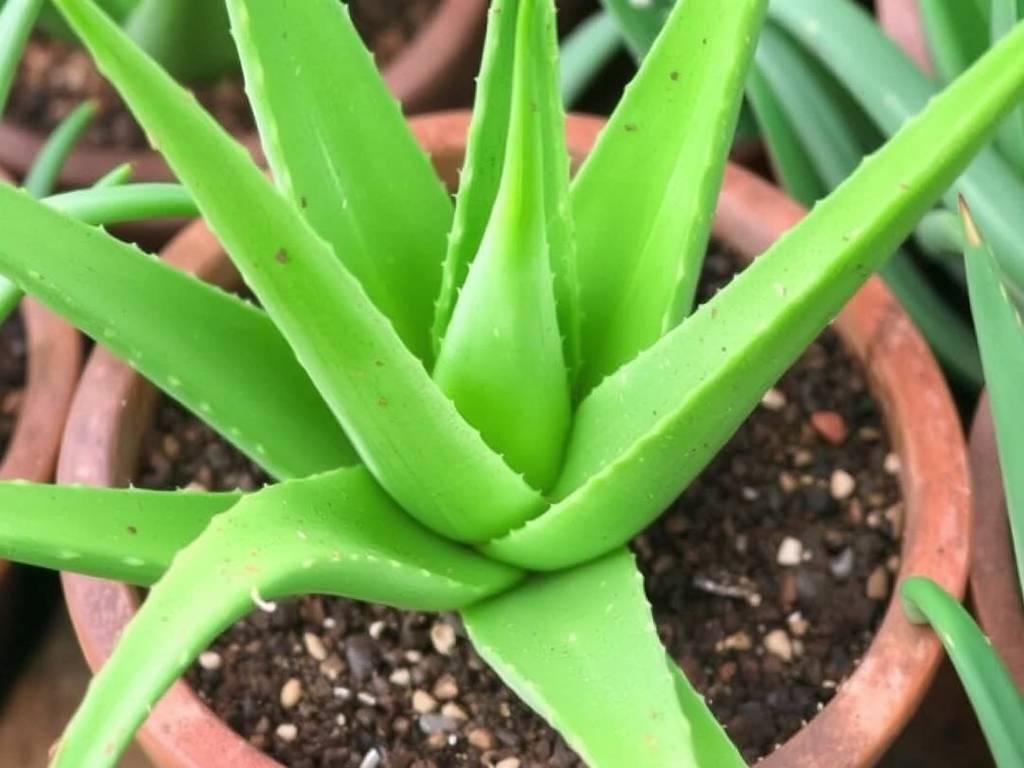
Use succulent soil + pot with drainage holes (terracotta preferred)
Give 4–6 hours of bright, indirect sunlight daily
Keep leaves clean and dry (avoid overhead watering)
Inspect weekly for pests or disease signs (early detection = easy treatment)
Prune dead/damaged leaves regularly to reduce disease risk
With a little attention to these details, your aloe vera will thrive—providing you with fresh gel for burns and a cheerful pop of green in your home for years to come. And if pests or diseases do strike, you now have the tools to treat them quickly and get your plant back on track.
发表评论